Introduction
I never thought much about outdoor pants until I found myself struggling during a particularly challenging hike last autumn. The debate about nets vs pistons in outdoor gear had always seemed like technical jargon to me, something for serious mountaineers rather than someone who just enjoyed weekend walks in the hills. But as I stood there, feeling restricted and uncomfortable in my old hiking trousers, I realized that the right clothing could make a fundamental difference to how I experienced nature. This realization came not from reading product descriptions, but from actually feeling the limitations of my current gear during what should have been a pleasant afternoon walk.
The transition between seasons always brings its own challenges for outdoor enthusiasts. Spring and autumn weather can be unpredictable, with warm sunshine one moment and cool breezes the next. I’d always just layered up, thinking that was the solution, but it never quite felt right. Ether I’d be too warm when moving or too cold when resting, and the bulkiness of multiple layers often restricted my movement. It was during one of these transitional periods that I began to understand why specialized outdoor clothing exists, and how it could enhance rather than complicate my outdoor experiences.
Real-life Context
My usual hiking route takes me through mixed terrain near the Bavarian forest, where the paths alternate between well-maintained trails and more challenging rocky sections. I typically go out for three to four hours at a time, enough to feel like I’ve had a proper workout without exhausting myself. The weather during these outings can be quite variable, especially during what Germans call the ‘Zwischenjahreszeiten’ – those transitional periods between proper seasons when the weather can’t quite make up its mind.
On this particular day, I had planned a longer route that included some light scrambling over rock formations and a steady climb through wooded areas. The forecast had suggested mild conditions, but as often happens, reality proved different. The morning started cool and damp, but by midday, the sun had broken through, creating that awkward situation where you’re either too hot or too cold depending on whether you’re in shade or sunlight, moving or stationary. My usual approach of wearing jeans with a thermal layer underneath was proving inadequate once again.
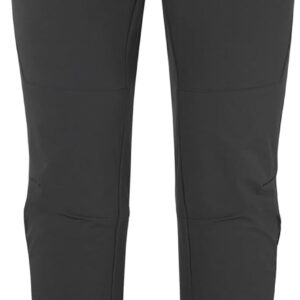
What made this outing different was that I had recently acquired a pair of outdoor pants specifically designed for these conditions. I hadn’t thought much about the purchase at the time – it was just another piece of gear to add to my collection. But as I prepared for this hike, I decided to give them a proper trial, curious to see if they would live up to their description as being suitable for transitional weather and offering good freedom of movement.
Observation
The first thing I noticed was how the pants felt during the initial climb. The stretch material moved with me rather than against me, which made a noticeable difference when navigating uneven ground. I didn’t have that constant feeling of fabric pulling or restricting my stride, something I’d always taken for granted with regular trousers. The pre-shaped knees were particularly appreciated when I had to scramble over some rocks – the extra room in that area meant I could bend and crouch without any tightness or discomfort.
As the day warmed up, I became aware of another benefit. The breathable fabric allowed air to circulate, preventing that clammy feeling I usually experienced when I worked up a sweat. This was especially noticeable during the sunnier sections of the trail, where I would normally have been uncomfortably warm. Instead, I maintained a consistent body temperature, feeling neither too hot nor too cold as conditions changed. The half-elastic waistband provided a secure fit without digging in, which was welcome during the steeper sections where I needed to bend and stretch frequently.
What surprised me most was how these small improvements added up to a significantly better hiking experience. The practical thigh pocket with its zip closure kept my phone secure and accessible, eliminating the need to constantly check if it was still in my pocket when moving through brush or climbing. At 334 grams, the pants were light enough that I barely noticed I was wearing them, yet they provided adequate protection against the cooler breezes that picked up in the shaded forest sections. I found myself moving more confidently over tricky terrain, not because I was any more skilled, but because my clothing wasn’t holding me back.
Reflection
I didn’t realize at the time that this would be so important, but having clothing that adapts to your movement rather than fighting against it changes your entire relationship with outdoor activities. It’s not about having the latest technical gear or the most expensive equipment – it’s about removing barriers between you and the experience of being in nature. When you’re not constantly adjusting your clothing, worrying about discomfort, or feeling restricted in your movements, you can focus more on the scenery, the rhythm of your breathing, and the simple joy of moving through natural landscapes.
This experience made me reconsider what I actually need from outdoor clothing. It’s not about having features for the sake of features, but about how those features work together to support your activity. The swing step construction that allows for greater freedom of movement, the pre-shaped knees that accommodate natural bending, the breathable material that regulates temperature – these aren’t just marketing points. They’re practical solutions to real problems that outdoor enthusiasts face, especially during transitional seasons when conditions can change rapidly.
There’s a subtle psychology at work too. When you’re comfortable and your gear is working with you rather than against you, you feel more capable and confident. This isn’t about performance in the sense of speed or endurance, but about the quality of the experience itself. I found myself taking routes I might have avoided before, not because I was suddenly more adventurous, but because I felt better equipped to handle them. The pants became almost invisible in the best possible way – they did their job so well that I could forget about them and just enjoy being outdoors.
This reflection extends beyond just clothing to how we approach outdoor activities in general. We often focus on the big things – the destination, the distance, the difficulty – while overlooking how the small details can shape our experience. The right gear doesn’t make the activity easier in the sense of reducing the physical challenge, but it does remove unnecessary distractions and discomforts, allowing you to engage more fully with what you’re doing. It’s the difference between battling your equipment and having it work as an extension of your intentions.
Conclusion
Looking back on that hike, what stays with me isn’t any particular moment of spectacular scenery or physical achievement, but the simple, consistent comfort of moving through changing conditions without having to think about my clothing. The debate about nets vs pistons that had once seemed so technical now feels more relatable – it’s about understanding how different elements work together to create a better overall experience. For transitional weather hiking, having pants that offer both protection and breathability, that move with you rather than against you, makes a tangible difference to how you experience the outdoors.
The value of specialized outdoor clothing lies not in its technical specifications alone, but in how those specifications translate to real-world comfort and functionality. When you’re out on the trail, you’re not thinking about fabric technology or construction methods – you’re feeling their effects in your ability to move freely, stay comfortable across changing conditions, and focus on the experience rather than your equipment. This is what separates functional outdoor gear from everyday clothing – it’s designed to disappear into the background while supporting your activity.
My experience with these pants has changed how I approach all my outdoor gear choices now. I look for items that will work with me rather than just on me, that understand the realities of moving through natural environments. It’s not about having the most advanced or expensive options, but about finding what genuinely improves your experience without drawing attention to itself. For hiking during those tricky transitional seasons, having pants that balance protection, breathability, and freedom of movement has become non-negotiable – it’s the difference between just getting through a hike and truly enjoying it.
What began as a simple trial of new clothing became a lesson in how the right gear can transform our relationship with outdoor activities. It’s not about the gear itself, but about what it enables – a more seamless, comfortable, and engaged experience in nature. When your clothing works with you, adapting to your movements and the conditions around you, it stops being equipment and starts being part of the experience itself. And in the end, that’s what we’re all looking for when we head outdoors – not just to be there, but to be fully present in whatever way works best for us.